History
DRM is useful for protecting content that can be easily copied and re-distributed. This was not a concern before the 1990s. The Internet did not exist and most content created (think books, cassettes and movie tapes) did not face the big challenge of copying. Yes, you could photocopy the entire book and pass it to your friend or you could dub a cassette and pass it over, but those copies were confined to a few people and never attained widespread distribution.

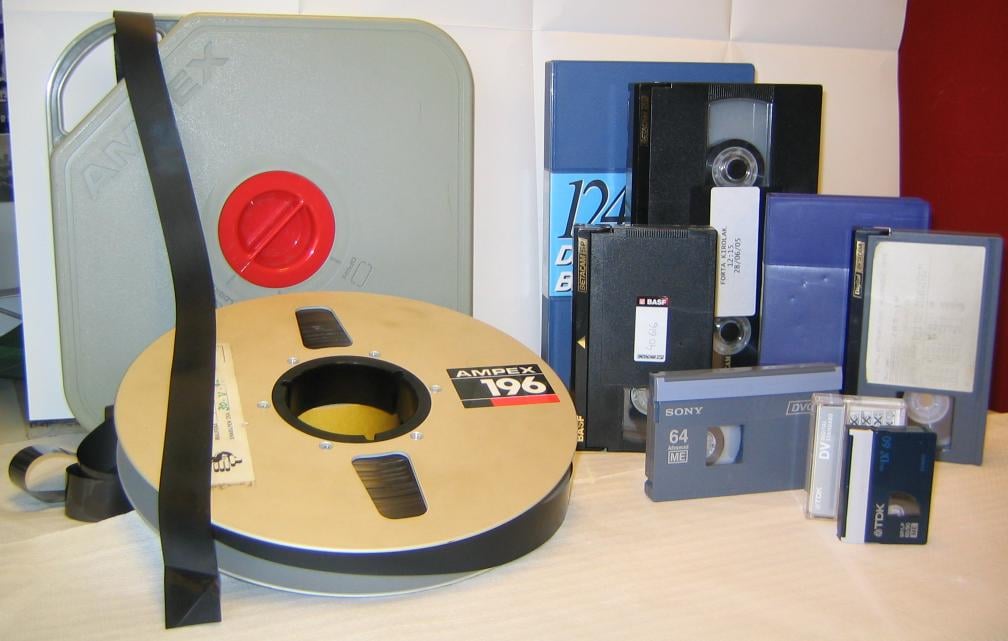
Most media was distributed on magnetic tapes before the 1990s which just made it annoying to copy and distribute them. Local copies were made by enthusiasts but it never posed a huge challenge to copyright owners.
There were efforts made by some people to make it distributed to large audiences like shops which would sell pirated audio or video cassettes but they could quickly be identified by governments and shut down.
In 1983, the Software Service System (SSS) devised by the Japanese engineer Ryuichi Moriya was the first example of DRM technology. It was subsequently refined under the name superdistribution . The SSS was based on encryption, with specialized hardware that controlled decryption and enabled payments to be sent to the copyright holder. The underlying principle was that the physical distribution of encrypted digital products should be completely unrestricted and that users of those products would be encouraged to do so.
Then there were companies like Nintendo which introduced the first ever DRM in a game where a game would be paused and players would be asked to refer to a booklet which comes along original game. If the booklet is not available, the game would not proceed.
A very early example of a DRM system in digital media is the Content Scramble System (CSS) employed by the DVD Forum on DVD movies. CSS uses an encryption algorithm to encrypt content on the DVD. Manufacturers of DVD players must license this technology and implement it in their devices so that they can decrypt the content. The CSS license agreement includes restrictions on how the DVD content is played, including what outputs are permitted and how such permitted outputs are made available. This keeps the encryption intact as the content is displayed.
These are very early examples of a DRM system. All of these worked fine in the offline world but then the internet arrived.
